From Three Days to Half a Day: How C.M. Armitage Automated AP into Foundation

About C.M. Armitage
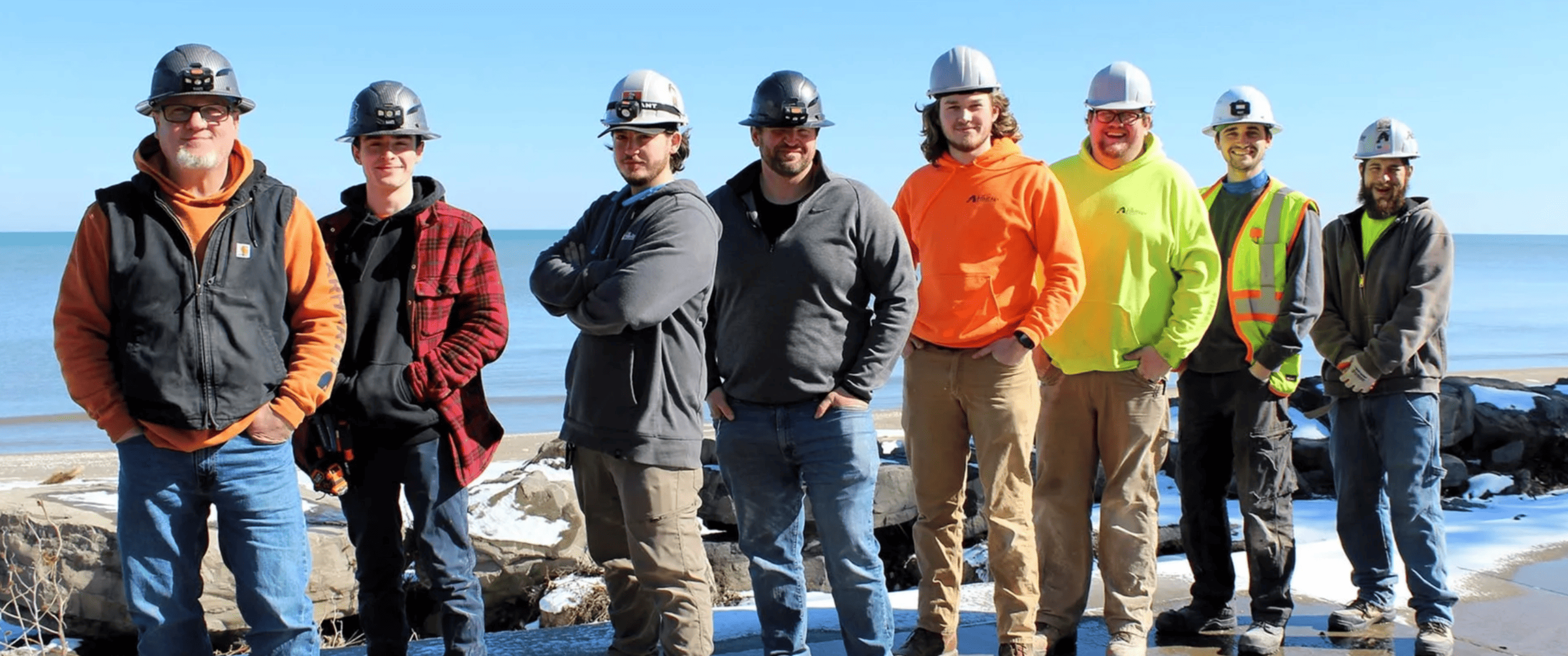
Founded in 2000 by Craig Armitage, C.M. Armitage Electrical Contracting has grown into a full-service electrical contractor serving the Greater Rochester and Western New York market. The company runs three divisions: commercial and industrial construction, service, and low voltage work spanning fire alarm, security, and access control systems.
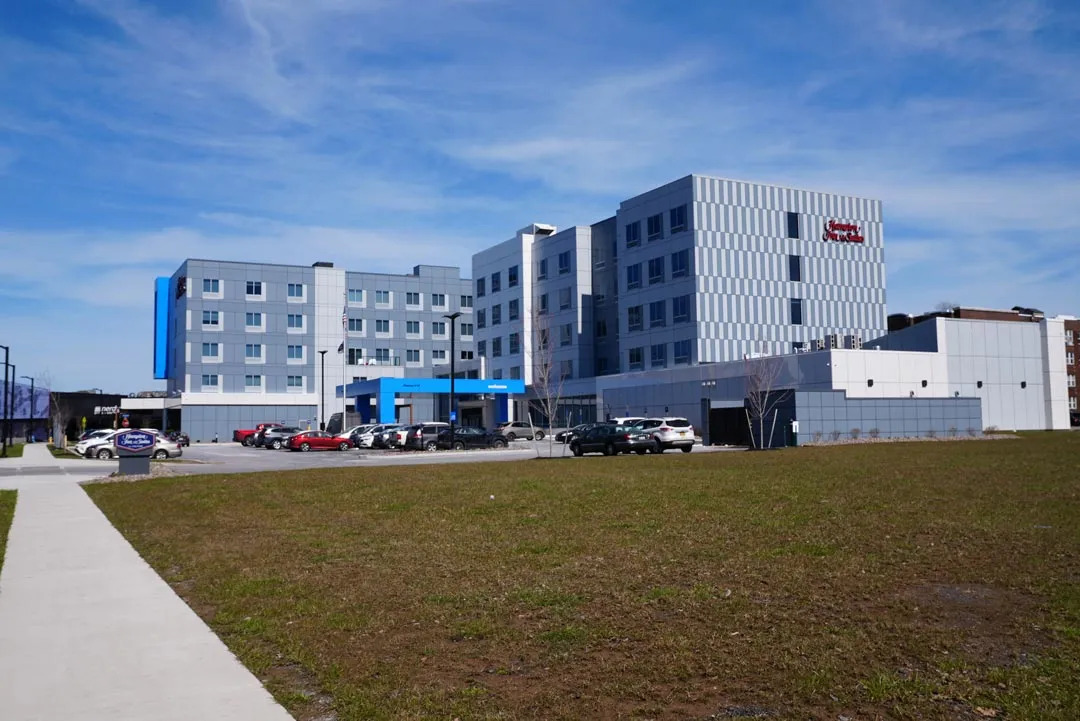
With 60 to 70 employees, C.M. Armitage keeps roughly 99% of its work inside New York State. Recent projects include a major build at Clinton Square in Rochester, a new hotel in Ithaca, and security installations at apartment complexes across the region.
Only ten of those employees sit in the office, and just two touch accounts payable day to day: Yvonne, the AP/AR specialist, and Tony, who handles cost coding. Project managers approve the invoices tied to their own jobs.
The Problem: An Importer Nobody Could Trust
C.M. Armitage ordered material through a separate procurement platform and kept its books in Foundation. Moving invoices between them meant a legacy importer, and that step never worked reliably. Roughly 80% of import attempts threw errors, and every error meant the AP specialist opening the invoice and fixing it by hand, three to five minutes at a time.
Bulk import was supposed to be the answer, but a batch of 40 invoices could come back with 40 errors. Each invoice needed individual attention, so the team gave up on batching.
Oliver Owen, Financial Manager at C.M. Armitage, later put a number on what that cost. Getting a single invoice into Foundation correctly ran two to three minutes of cost coding for Tony and five to seven minutes for Yvonne on the AP side. Across 2025 the two of them processed 4,357 invoices, which by Owen's accounting came to roughly 605 hours of manual handling.
The breaking point came when the AP specialist took a week of vacation. "A week went by, and she came back. Spent, I think, two weeks trying to get the invoices into Foundation," says Owen. "I was new and I didn't know what I was doing yet, so she was the only one that could really do it."
One week of invoices took two weeks to clear. The downstream cost was quieter: invoices took about three days to reach Foundation, so job costing ran on stale numbers. Duplicate invoices from supply houses got paid twice, and recovering the money meant digging through Foundation for the credits, then working the vendor to get them back. Early payment discounts were entered by hand, so some were missed.
Choosing Agave
Owen joined C.M. Armitage in late 2025 from an accounting background, intent on modernizing. He worked the importer problem with that vendor across several meetings before concluding it would not be fixed, then went looking for an alternative and found Agave listed as a Foundation partner.

The internal case came down to presenting the potential savings on labor cost. Once Owen converted the hours into dollars, ownership was in. Speed and accuracy carried the product decision: service work needs job cost data landing in the accounting system quickly, and the old system's invoice reading had been unreliable.
Implementation
The Agave team met with Owen’s team weekly, surfacing issues and resolving them as they came up. C.M. Armitage was live on real AP within three to four weeks, with the final session mostly a check-in. One invoice-reading issue came up and was corrected quickly.
"Definitely the best implementation I've been a part of," Owen says. Now that they are live, support is run through the in-app chat with quick turnaround on any open tickets.
The Impact
Bulk push into Foundation
The biggest change was sending invoices to Foundation in batches instead of one at a time.
"Once we finally got to use that push to Foundation button, that was the best thing ever, because we could push 20, 50 invoices all at once instead of one at a time," Owen says.
Across the first 1,000 invoices, the team estimates four minutes saved per invoice on the AP side and two on cost coding: roughly 100 hours in three months. At 2025 volume that annualizes to about 435 hours, and the rate compounds as volume grows.
Coding that learns the business
Automatic routing identifies the job and the responsible project manager, then sends the invoice on without manual triage. Cost coding now arrives roughly 70% correct, and it keeps improving as the system learns how Tony codes. Legacy cost codes in Foundation account for much of the remaining gap, and cleaning them up is the next project. Tony's work on a typical invoice is down to about 30 seconds.
Faster, cleaner, and no new headcount
Invoice turnaround into Foundation fell from three days to half a day, with project manager approval now the slowest step. Duplicate detection catches the repeat invoices supply houses send. Early payment discounts are captured automatically instead of depending on someone remembering. Ninety-nine percent of invoices now flow through Agave, and C.M. Armitage absorbed the volume without adding a back-office person.
The effect shows up weekly in job costing. When Owen sits down with the service manager to review fast-moving service jobs, the AP invoices are already in Foundation, so the numbers hold up.
Recommendation
The hours saved are the headline, but underneath them is a simpler shape of work. Invoices used to arrive on more than one path, some through another AP tool and some by hand, all funneling into Foundation through an importer nobody trusted. Now there is one route, and in Owen's telling it works without anyone fiddling with it.
The simplification shows up in who has to touch what. Project managers approve invoices in Agave instead of opening Foundation, a system they would rather stay out of. Cost coding arrives roughly 70% correct and keeps improving, so Tony reviews rather than keys. And the AP specialist is no longer the only person who can clear a backlog, which means a week of vacation is no longer a two-week problem. Owen describes his team's reaction to all of it as relief more than excitement: time handed back to the work they had been putting off.
%20(1).jpg)